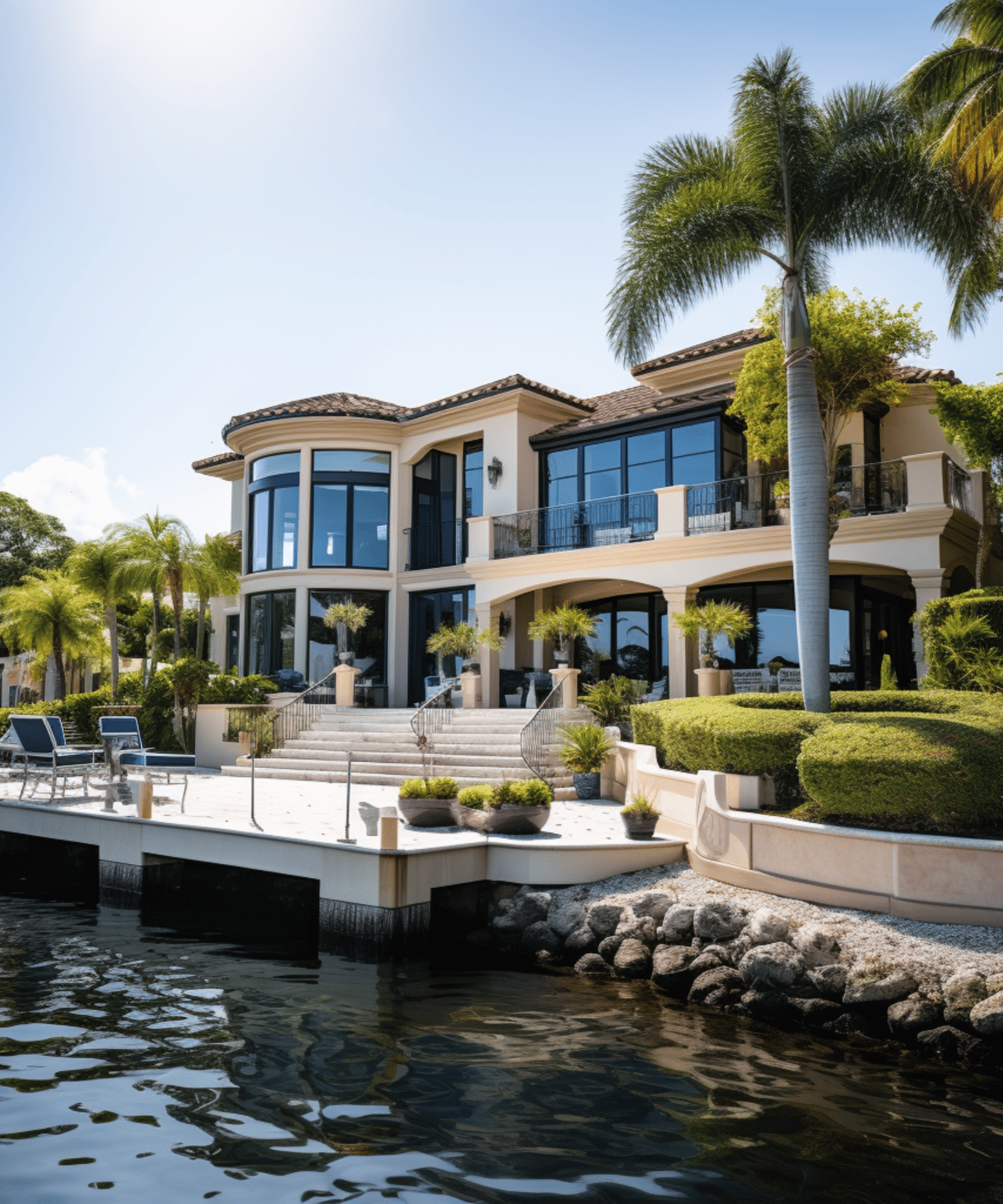
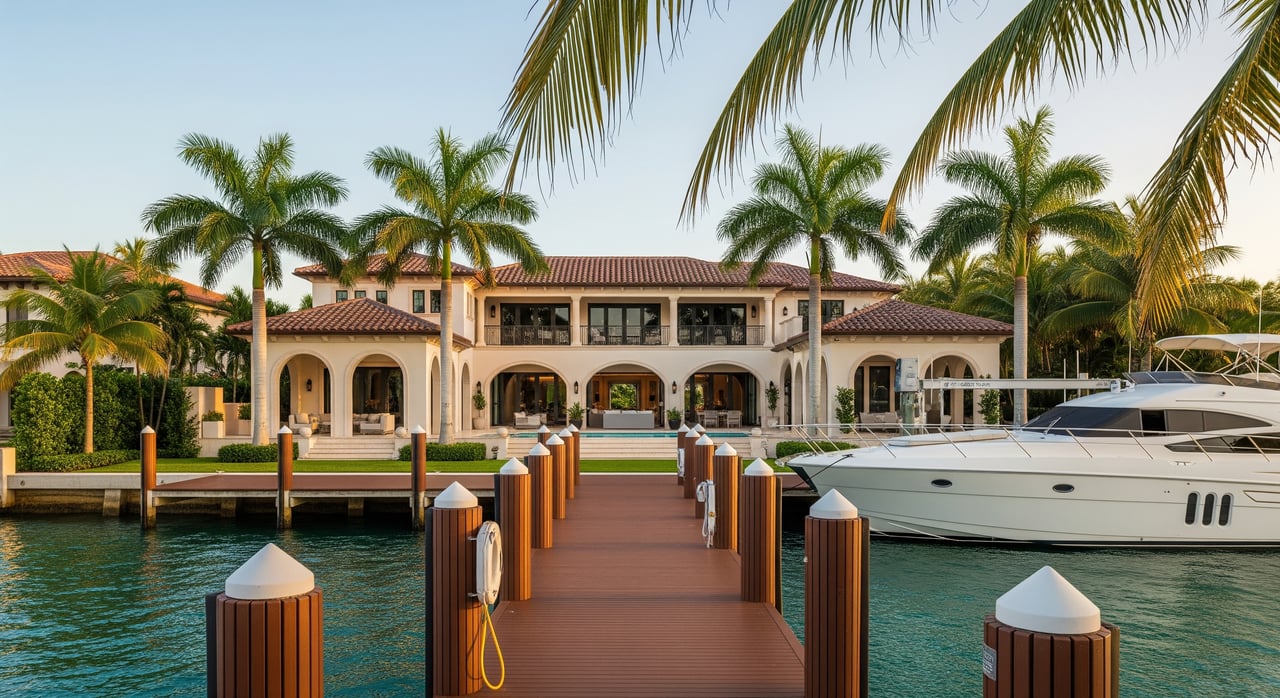
Imagine stepping from your breakfast nook to your private dock, lines cast off, and you’re cruising the Intracoastal within minutes. If you’re considering a home in Royal Palm Yacht & Country Club, you likely value both elegance and on-water ease. You want a property that fits your yacht, shortens prep time, and protects long-term value. This guide shows you how waterfront types, dock design, navigation, and regulations shape daily life and investment outcomes in Royal Palm. Let’s dive in.
Waterfront options in Royal Palm
Deep-water canal homes
These homes sit on wider, deeper canals designed to handle larger vessels. Many have private or deeded docks that can accept substantial length and beam. You gain direct control over your slip and daily routine, often with power pedestals, lifts, and easy provisioning. Deep-water canals typically attract buyers who prioritize yacht size and straightforward ocean access.
Intracoastal-front estates
These properties offer open views and immediate access to the Intracoastal Waterway. Some have private docks or access to association slips nearby. You trade some privacy for sweeping vistas and an active boating backdrop. For many owners, the view plus on-water convenience is worth a premium.
Interior canal lots
Interior canals can be narrower or shallower than main channels. They work well for smaller boats or lifts set to raise a vessel outside typical tidal range. Shoaling and sediment can vary by canal, so due diligence on depth and maintenance history is key. These homes appeal to owners who favor quiet settings and lift-kept boats.
Club marina access
Some properties rely on a slip at the private club marina rather than a deeded dock at home. This can reduce upkeep at the residence while giving you managed services. For snowbirds or owners who value a concierge model, the marina can offer security, utilities, and social on-water programming. Confirm membership requirements and slip availability directly with the club.
Dock and seawall essentials
Dock ownership and slip specs
Start by confirming whether the dock is deeded, exclusive-use, or tied to a club or association. Document the maximum allowed length overall and beam for your vessel. Verify power availability, lift capacity, and the condition of pilings, caps, and hardware. Ask for recorded permit numbers and any inspection or upgrade records.
Seawall and bulkhead condition
Seawalls can be concrete, sheet pile, or rock riprap. Each material has a different maintenance profile and lifespan. Request the most recent inspection, repair history, and permits. Seawall integrity can affect insurance, underwriting, and long-term costs.
Orientation, currents, and sediment
A home on an open view or canal mouth may see more current and wake, which affects mooring and fendering. Interior canals can experience calmer water but may shoal more quickly. Ask for depth readings at mean low water and any dredging history. Placement, sun exposure, and typical winds will also guide dock layout and wear.
Power, lifts, and services
Confirm the amperage at the dock and whether shore power can support your vessel’s systems. If a lift is installed, confirm rated capacity, maintenance, and service contracts. Some owners prioritize pump-outs, freshwater access, and lighting for night arrivals. Small upgrades can improve daily convenience and resale appeal.
Boating and navigation factors
Ocean access and common routes
From Royal Palm, you will navigate the Intracoastal Waterway before reaching the Atlantic via nearby inlets. Actual run times depend on your dock’s location, no-wake zones, and drawbridge schedules. Many buyers weigh slip position and channel routing as much as house features. Build your short list with both home and on-water logistics in mind.
Bridges and vessel height
Your vessel’s air draft determines which bridges you can pass without an opening. Routes north or south along the Intracoastal may include fixed or bascule bridges. Always verify current bridge profiles and operating hours through official sources before committing to a route. If you own a taller vessel, this can influence which lots make sense.
Depth, tides, and shoaling
“Deep water” is relative to your draft. Confirm depths at mean low water on your specific canal and note any shoaling patterns. Many South Florida canals rely on periodic dredging, which can involve easements, timing windows, or assessments. Make sure you understand who maintains the canal and how often it has been dredged.
Marina culture and services
Private club marinas and nearby commercial facilities can handle fuel, haul-out, and mechanical work. For high-usage boaters, ready access to services cuts downtime and stress. Expect a culture that values security, valet-style support, and social events organized through the club. Confirm specifics with the marina for current programs.
Daily operations checklist
- Inspect lines, fenders, and lifts weekly for wear and alignment.
- Address biofouling and bottom growth on a set maintenance schedule.
- Follow local speed and no-wake rules to protect docks and seawalls.
- Keep a hurricane season plan that covers haul-out or tie-down procedures.
- Track guest and vendor access rules for slip use.
Regulations and risk management
Permits and approvals
In Palm Beach County, docks, lifts, seawalls, and any dredging typically require permits. You may need approvals from county environmental departments and sometimes state or federal agencies. Private club or HOA guidelines can add steps. Confirm all recorded permits and final approvals tied to the property and dock.
Environmental protections
Manatee protection zones, seagrass beds, and water quality rules influence operations and permitting. Seasonal windows may limit when work can be done in the water. Expect speed restrictions and no-wake areas in sensitive stretches. Be ready to coordinate timing and scope with regulators.
Insurance, flood zones, and storms
Most waterfront properties sit in FEMA flood zones, which affects insurance and lending. Underwriters may review seawall condition, elevation data, shutters, and dock hardening. Yacht policies often require specific storm plans and mooring standards. Factor premiums for homeowners, flood, wind, and vessel coverage into annual costs.
Legal rights and easements
Riparian rights and recorded dock easements should be verified early. Confirm whether the dock is part of the property deed or a permitted structure tied to the parcel. Review rules on slip transferability, commercial use, and charter restrictions if you plan to host guests frequently. Clear documentation protects value and future resale.
Value drivers and ongoing costs
How waterfront type shapes value
Deeded deep-water slips suitable for larger yachts tend to command a premium. Intracoastal views can also boost pricing, even if slip size is modest. Interior canals can deliver value for lift-kept boats if depth and maintenance are strong. Decide whether your priority is yacht size, view, privacy, or service access.
Quantify annual ownership costs
- Seawall and dock inspections, repairs, and component replacements.
- Lift servicing and power pedestals, including parts and labor.
- Dredging contributions or assessments if applicable.
- Club marina fees or membership costs if you rely on a marina slip.
- Insurance for home, flood, wind, and your vessel.
- Utilities for shore power, freshwater, and periodic pump-outs.
Hurricane readiness and resilience
Look for engineered tie-down points, lift capacities that match vessel weight, and clear access to haul-out facilities. Evaluate the elevation of critical systems and whether shutters or impact glazing are in place. Understand neighborhood policies for post-storm inspections and debris removal. Preparedness reduces risk and helps retain value.
Match the waterfront to your lifestyle
The active yachtsman
You want fast provisioning, straightforward routing, and service access. Prioritize deep-water canal or Intracoastal-front homes with deeded slips that match your length and beam. Look for high-capacity power and easy fueling options. A clean bridge profile to your preferred inlet is a plus.
The social entertainer
You value sweeping views and comfortable dockside spaces. Intracoastal-front estates and canal-mouth locations can deliver a lively backdrop. Focus on generous outdoor areas, lighting, and guest docking protocols. Club access can add dining and social events on the water.
The seasonal owner
You want low-friction boating and strong storm planning. Club marina access with concierge services can streamline off-season management. Lift-kept boats on quieter canals can also work if depth and maintenance are solid. Confirm hurricane protocols for both the residence and the marina.
The investor mindset
You focus on transferability, documentation, and marketability. Deeded docks with clear permits and a strong maintenance record support resale. Intracoastal views and deep-water slips broaden your future buyer pool. Keep thorough records for inspections, dredging, and upgrades.
How to evaluate any Royal Palm listing
Use this checklist to compare options quickly:
- Deeded dock status and recorded permit numbers.
- Slip length overall, beam, and any posted maximums.
- Verified depth at mean low water and shoaling history.
- Seawall material, inspection dates, and repair records.
- Dredging responsibility and past projects.
- Bridge chain between dock and ocean with air draft considerations.
- Club or HOA rules for slip use, transfer, guests, and charter restrictions.
- Insurance snapshots for home, flood, wind, and vessel.
- Flood zone status and elevation certificate.
- Hurricane plan, lift capacities, and nearest haul-out options.
A refined path to the right waterfront
Waterfront life in Royal Palm is defined by details. Slip dimensions, seawall integrity, bridge profiles, and club rules shape how you use your boat and how your property holds value. When you align the right dock configuration with your vessel and routine, your time on the water feels effortless. The result is a home that serves both your lifestyle and your legacy.
If you want a curated shortlist and quiet, expert guidance, reach out to Michael Unger for a private consultation. Request a Private Preview with Michael Unger.
FAQs
Can I keep a 60 to 80 foot yacht at home in Royal Palm?
- It depends on your specific property’s slip length and beam, verified depth at mean low water, and whether bridge air draft on your route accommodates your vessel.
How long does it take to reach the ocean from Royal Palm?
- Travel time varies by dock location, speed limits in no-wake zones, and bridge openings; confirm the route and timing for each property you consider.
Do homes include club marina membership or are slips separate?
- Policies vary; confirm membership requirements, slip availability, and any waitlists or transfer fees directly with the private club.
What recurring costs come with owning a dock in Palm Beach County?
- Expect seawall and dock maintenance, lift servicing, potential dredging assessments, marina fees if applicable, utilities for shore power, and insurance for home, flood, wind, and vessel.
How do hurricanes impact docks and boats in Royal Palm?
- Risk depends on lift capacity, tie-down points, elevation, and your storm plan; access to haul-out facilities and clear marina procedures are important safeguards.
Who is responsible for dredging and seawall repairs on my canal?
- Responsibility can fall to the owner, HOA, or county; review recorded documents and past project records for each specific property.