You have options inside Woodfield Country Club, and each one shapes how you live day to day. From lock-and-leave villas to sprawling estates, the right home style should fit your routines, maintenance comfort, and total budget. If you love the club lifestyle but want clarity on layouts, costs, and tradeoffs, you’re in the right place. This guide breaks down the key home types, what to budget beyond your mortgage, and a practical checklist to take on tours. Let’s dive in.
Woodfield at a glance
Woodfield is a gated, member-focused club community in Boca Raton with approximately 1,200 to 1,300 homes spread across about 20 distinct villages. The setting revolves around fairways and lakes with staffed gates and an extensive amenity spine that drives lifestyle and costs. The club highlights include an 18-hole championship golf course, a major tennis program with more than 20 courts, pickleball, a large clubhouse and dining scene, a 38,000-square-foot fitness and spa complex, and a lagoon-style pool with spaces designed for children. You’ll also find family-focused programming that many residents value for on-campus convenience and community life. For an overview of the campus and amenities, visit the Woodfield HOA’s site at Woodfield Country Club Homeowners Association.
Home styles in Woodfield
Woodfield brings together multiple product types within one campus. Here’s how each category typically lives, what it often costs to maintain, and who it tends to fit.
Townhomes, villas, and carriage homes
These small-footprint options commonly run about 1,200 to 2,400 square feet of living area, with many listings in villages like Cambridge Park falling in the 1,600 to 2,600 square foot range. Plans are one or two stories with shared walls or stacked layouts, plus patios or small yards. Many include screened porches. Maintenance packages often cover some exterior elements, though details vary by village.
- Pros: lower exterior upkeep, smaller utility loads, and a lower entry price than estates. Good for a lock-and-leave lifestyle.
- Cons: shared walls, limited storage or garage space in some models, and HOA fees that can be higher on a per-square-foot basis. Always confirm what the monthly HOA covers for your enclave.
Mid-sized single-family homes
This is a popular family-oriented category that commonly includes 3 to 4 bedrooms, open great-room designs, and many single-story courtyard layouts. Typical resale sizes range from about 1,800 to 3,700-plus square feet, with private pools appearing frequently and 2 to 3 car garages standard in many models.
- Pros: more bedrooms and storage, private yard or pool, and room to grow.
- Cons: higher responsibility for yard, pool, and exterior care unless landscaping is included in the village contract, along with higher energy and potential insurance costs versus a villa.
Estate, custom, and tear-down opportunities
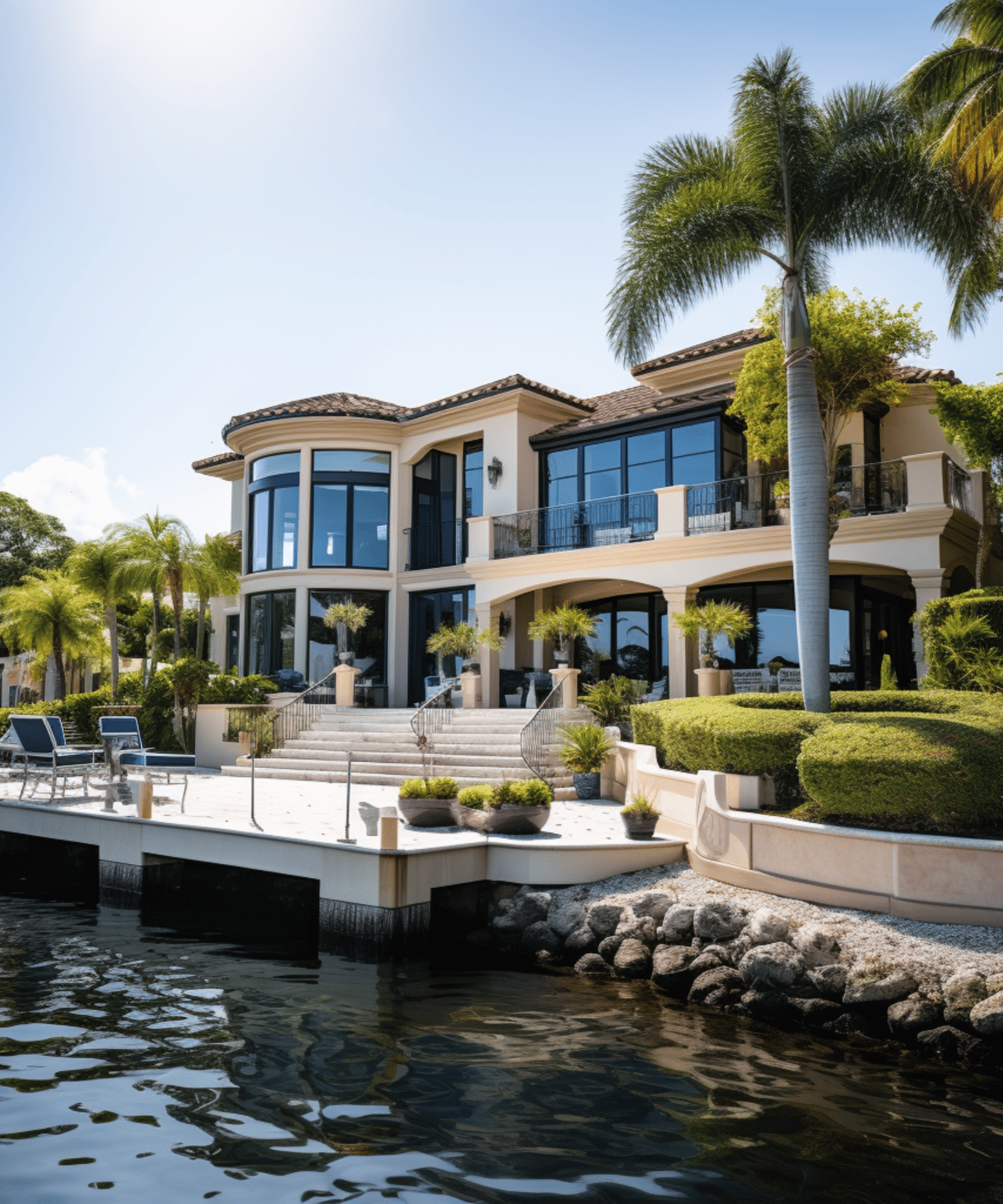
Estate homes often start around 4,000 square feet of living area and can run well above 5,000 to 7,500-plus square feet on larger lots. These properties concentrate in select villages and usually include custom finishes, multi-car garages, and outdoor entertaining zones that fit an active hosting lifestyle.
- Pros: privacy, generous indoor-outdoor living, and room for multi-generational setups or flexible spaces.
- Cons: the highest maintenance profile, larger insurance and tax carry, and they can take longer to sell without current updates.
Floorplan details that matter
- Single-story vs two-story: If you want to simplify daily living and reduce stair use, single-level plans are a strong match and align with many aging-in-place best practices. For guidance on safety and design that supports aging, review the National Council on Aging’s home safety tips.
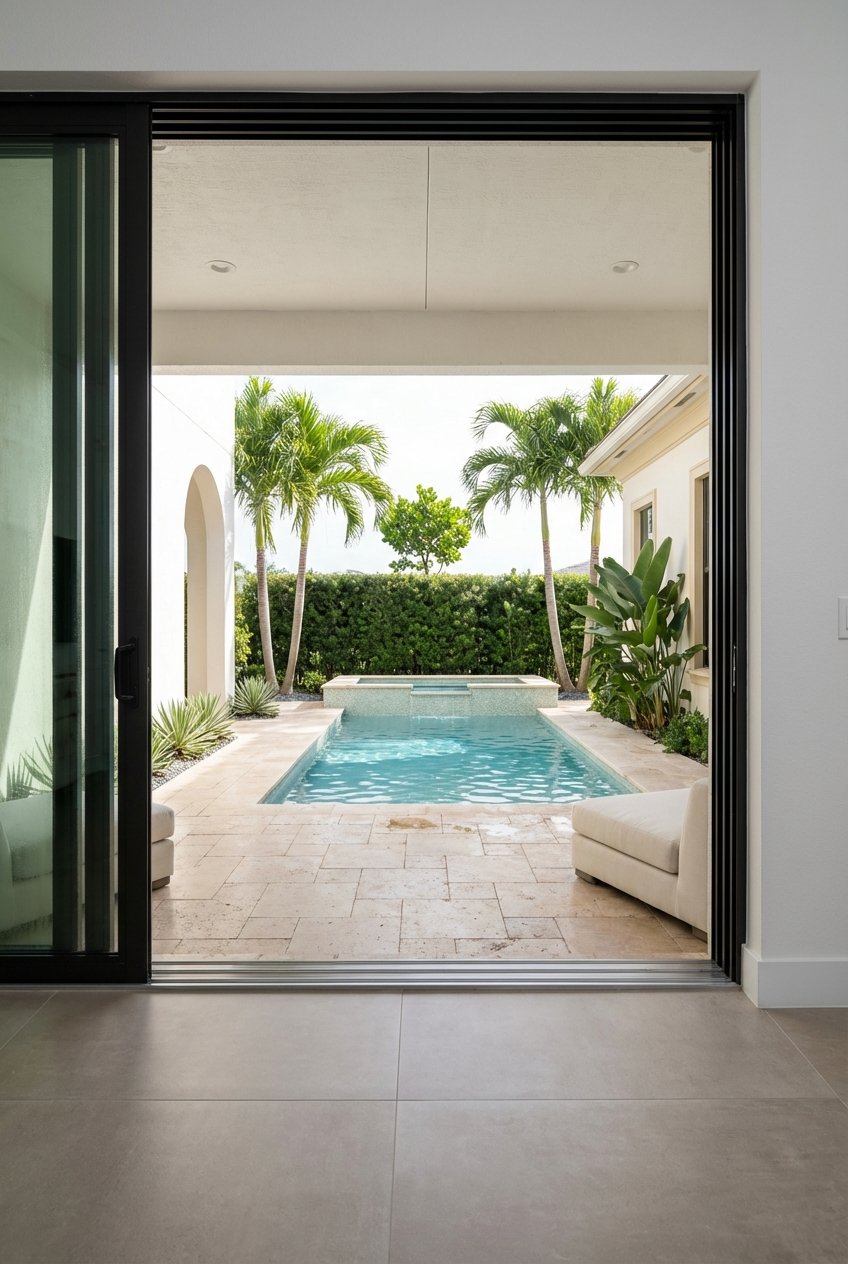
- Courtyard and pools: Courtyard designs are common and great for privacy. Many single-family and estate listings include private pools, which add pump, heater, and screen-cage maintenance. You’ll frequently see features like impact glass noted in listings, such as in this representative Woodfield property.
- Garage and storage: Villas may have smaller garages or covered parking. Single-family and estate homes more often deliver 2 to 3 car garages and room for gear.
What to budget beyond the mortgage
Your total monthly carry in a country club setting includes more than principal, interest, taxes, and insurance. Two cost categories are especially important to clarify early.
HOA fees vs club membership dues
- HOA or village association fees: These vary by product and village. Example listings in Woodfield show monthly dues in the hundreds of dollars, with some indicating items like exterior maintenance are included. As one representative listing illustrates, fees can run in the neighborhood of several hundred dollars per month and sometimes note “maintenance-exterior” as covered. Review a recent example to see how these items are presented on listings at this local IDX listing reference. Always verify the current HOA budget and what is included for your specific village.
- Club membership: Inside the main club gates, many homes carry a membership requirement, with tiers such as social, sports, and full golf. Initiation and annual dues vary by tier and change over time, so confirm initiation, transfer, and ongoing dues directly with the membership office. For an overview of how membership requirements are discussed for Woodfield, review the community summary. Regionally, golf membership waitlists have been reported in recent years, which can affect your access and budget timing. For context on that trend, see this local report on Palm Beach County club demand.
Build your budget with your full carry in mind: mortgage, property taxes, homeowner’s insurance, any required flood insurance, HOA fees, and club dues appropriate to the address.
Who maintains what
Villas, carriage homes, and some townhomes often include exterior maintenance, such as roof or landscaping, in the HOA package. Many single-family lots leave lawn, pool, and exterior upkeep to the owner, though some villages include landscaping. The only reliable source is your village’s documents, so confirm coverage in the HOA disclosure and budget. Representative listings sometimes flag “maintenance-exterior” as included, as seen in the sample listing reference.
Reserves, assessments, and resale risk
Ask for the latest HOA budget, reserve study, and minutes. If the HOA or club is planning capital projects, a special assessment may be considered. Knowing this early helps you plan and can influence your offer strategy.
Insurance, flood, and storm protection
- Flood zones: Use FEMA’s Flood Map Service Center to look up the exact address and request any Elevation Certificate from the seller or insurer. Start here: FEMA Flood Map Service Center.
- Hurricane features: Many South Florida homes include impact windows, impact doors, or shutters, which can influence insurance premiums and peace of mind. Listings often call out “impact glass,” as in this representative Woodfield listing. Ask for documentation and product approvals. For context on product approvals, see Armored Impact’s overview.
Property taxes
Property taxes in Palm Beach County vary by assessed value, exemptions, and district millage. As a ballpark, effective tax burdens often land near 1 percent of assessed value, but rates change annually by area. Review a concise overview here: Palm Beach County property tax guide. Always calculate taxes for the specific address and your exemption status.
Choose by life stage
Your ideal home style often comes down to how you use space, how much maintenance you want to handle, and which amenities matter most.
Empty-nesters and downsizers
If you want simplicity, focus on single-level living, smaller footprints, and villages that include exterior maintenance. Many villas and carriage homes meet these needs, and select single-story courtyard homes offer easy flow with outdoor privacy. Use aging-in-place guidance as a reference for features like first-floor primary suites and low-threshold entries. Also compare the convenience you gain with the total monthly carry that includes HOA fees and club dues associated with that address.
Growing families
You may prioritize more bedrooms, storage, and a private yard or pool. Mid-sized single-family homes align well with that brief and keep daily life on campus close to tennis, pools, and family programming. Many Woodfield addresses are associated with Omni Middle and Spanish River High, but assignments vary by address and can change. Confirm current zoning with the district before you write an offer. Family programs and Kids Korner on campus support active schedules without leaving the gates, which many households value.
Touring and due-diligence checklist
Bring this list to showings and pre-offer calls:
- Confirm the product type. Ask what the HOA fee covers and what the seller actually pays monthly. Request the HOA contact, latest budget, and reserve study. A representative listing format that shows fee breakdowns can be seen in this local IDX reference.
- Ask explicitly about membership. Is membership mandatory for this parcel, which tier applies, what are initiation and transfer terms, and is there a waitlist for golf. For a community-level overview of membership structure, see this Woodfield summary.
- Verify school context. Confirm exact school assignments with the district. For middle school context, see Omni Middle School.
- Check flood and elevation. Pull FEMA maps for the address and ask for any Elevation Certificate and a recent flood quote. Start here: FEMA Flood Map Service Center.
- Review building systems. Note roof age, number and age of HVAC units, water heater, pool equipment, and any screen enclosures. Look for permits and warranties. Some listings highlight recent roof or A/C updates and impact features, as in this representative Woodfield listing.
- Confirm storm protection. Are windows and doors impact rated or are shutters provided. Ask for documentation and approvals for installed impact products. For a general overview of impact systems and approvals, see Armored Impact.
- Understand rental and resale rules. Ask the HOA about rental caps, minimum owner-occupancy, and buyer approval timelines, which can affect future plans. A representative listing format that notes approval items is shown in this local IDX reference.
- Clarify membership transfer. If membership is mandatory, ask if the seller’s membership can transfer at closing and whether a separate fee applies. Request the club’s current membership packet.
Putting it together
Start by ranking what matters most: single-level living or more bedrooms, private pool or community pool use, minimal upkeep or larger outdoor spaces, and which membership tier you plan to use most. Then match those priorities to a product type and calculate the full monthly carry that includes club dues at the tier you expect to hold. Finally, use the checklist above to validate maintenance obligations, insurance realities, and any community rules that affect your plans.
If you want a curated shortlist of homes that fit your lifestyle inside Woodfield, request a private, guided process. Reach out to Michael Unger to Request a Private Preview.
FAQs
What home styles can you buy in Woodfield Country Club?
- You can choose from small-footprint townhomes, villas, and carriage homes, mid-sized single-family houses, and larger custom estates, all within one gated campus.
Do you have to join the club when buying in Woodfield Country Club?
- Many homes inside the main club gates require membership, with tier choices such as social, sports, and full golf. Always confirm requirements, initiation, and any waitlist with the membership office.
How much are HOA fees and what do they usually cover in Woodfield Country Club?
- Fees vary by village and product. Some include exterior maintenance. Review the current HOA budget and disclosures for your address and ask the seller what they actually pay monthly.
Are single-story homes common for aging in place in Woodfield Country Club?
- Yes, single-story and courtyard plans are available and popular with buyers who want to minimize stairs. Consider features that align with aging-in-place guidance.
How do schools work for Woodfield Country Club addresses?
- School assignments in Palm Beach County are address specific and can change. Confirm with the district before offering. Many Woodfield addresses are associated with Omni Middle and Spanish River High.
Is flood insurance required for Woodfield Country Club homes?
- It depends on the property’s flood zone and elevation. Check the address on FEMA’s Flood Map Service Center and ask for any Elevation Certificate and a current flood quote.