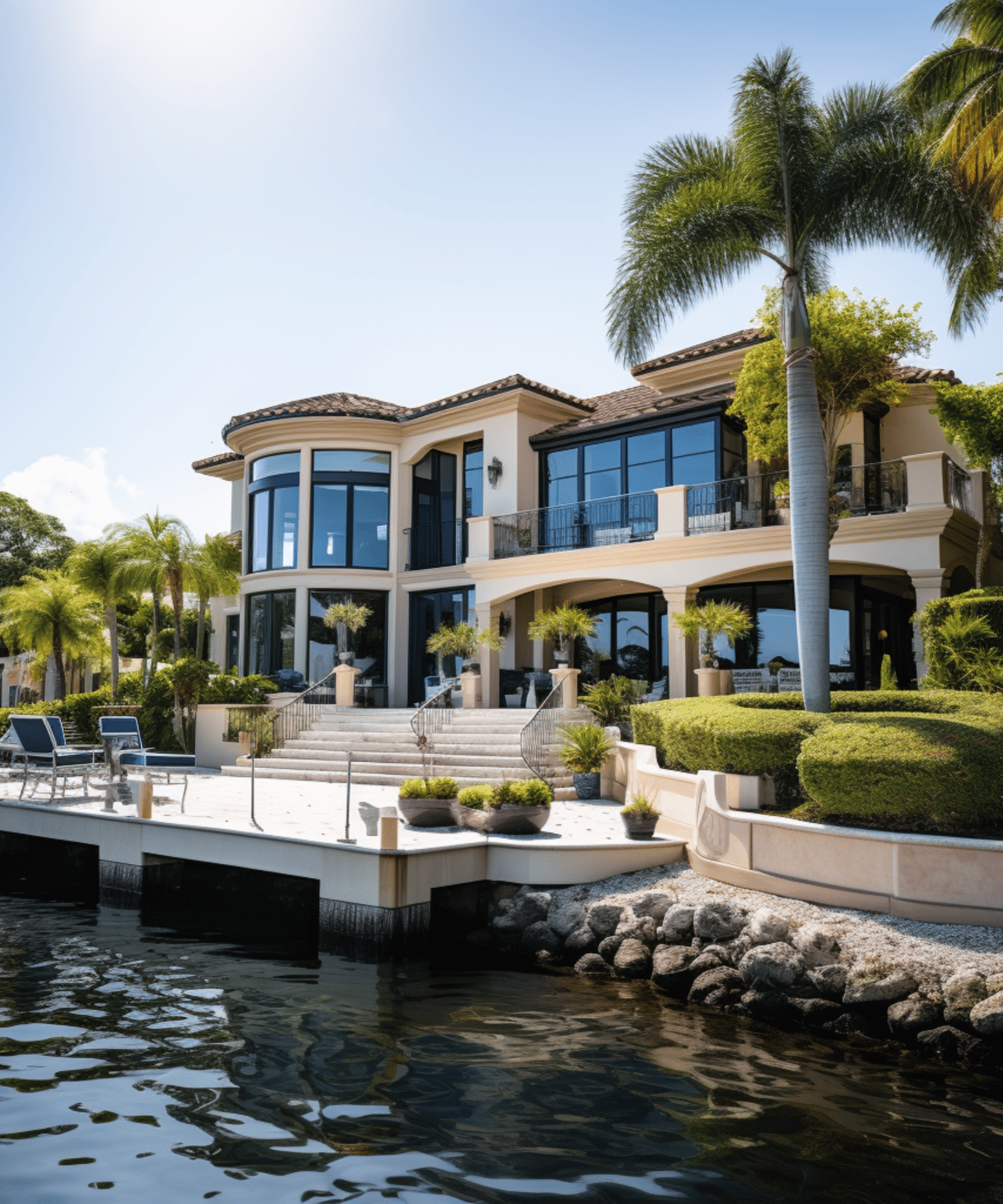
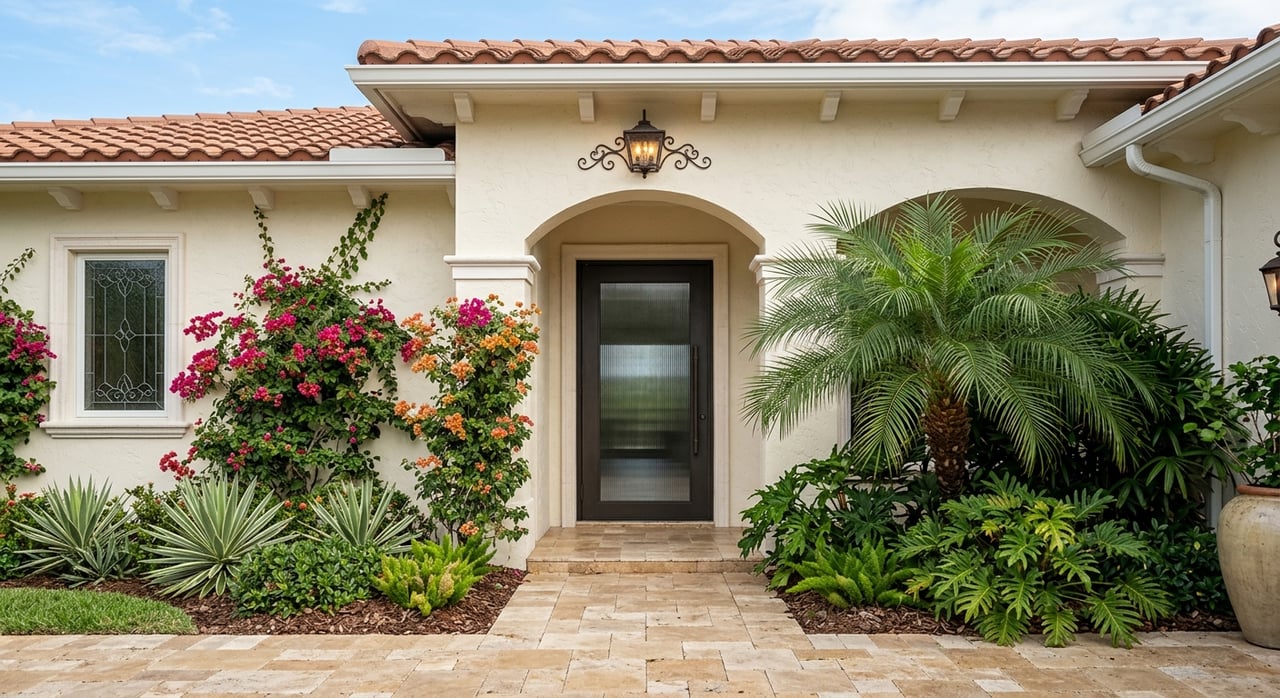
Wondering whether a custom home or a renovated home makes more sense in St. Andrew’s? It is a smart question, especially in a community where the homes are not cookie-cutter to begin with. If you are weighing style, future upkeep, and how much work you want after closing, this guide will help you compare the options clearly. Let’s dive in.
Why this choice is different in St. Andrew’s
St. Andrews Country Club is an established private club community in Boca Raton 33496 that dates back to 1982. The community is low-density, gated, and made up of about 730 single-family homes across more than 700 acres of fairways and 70 acres of lakes.
That setting matters because you are not choosing between a custom neighborhood and a non-custom neighborhood. In St. Andrew’s, the homes are already known for one-of-a-kind estate design, spacious layouts, and strong indoor-outdoor flow. The real decision is usually between an original-era custom home, a renovated original, or a newer rebuild.
What “custom” can mean here
In many neighborhoods, “custom” means a home built outside a production model. In St. Andrew’s, the term can describe several different property types.
Some homes are original custom estates from the late 1980s, 1990s, or early 2000s. Others have kept their original structure but gone through major renovations. There are also newer replacement homes and recent custom builds from 2017, 2020, 2021, and even 2024.
That is why two homes can both be called custom and still offer very different ownership experiences. One may have timeless architecture on an exceptional lot, while another may deliver newer systems, updated finishes, and a lower near-term project list.
How renovated homes differ from newer custom builds
A renovated home often appeals to buyers who want a polished look without taking on a full construction project. In St. Andrew’s, these homes can be highly turnkey, but the quality of the renovation matters.
Some renovations are mostly cosmetic. Others go much deeper and include updates to the roof, windows, electrical, HVAC, plumbing, kitchens, and baths. That difference can shape your maintenance costs, comfort, and future planning more than the finishes alone.
A newer custom build or full rebuild usually offers the cleanest systems baseline. In practical terms, that may mean more current mechanicals, newer envelopes, and features that better reflect today’s building standards.
Features that can change long-term value
When you compare homes in St. Andrew’s, look beyond the surface. A beautiful kitchen is important, but systems and protective features often have a bigger impact on ownership over time.
Current listings in the community show updates such as:
- Impact glass throughout
- Motorized shutters
- Full-house generators
- Tankless gas water heaters
- Smart-home systems
- New roofs
- Updated electrical packages
- Renovated kitchens and baths
These are the details that separate a home that simply looks renovated from one that has been modernized more completely. If your goal is fewer surprises after closing, this distinction matters.
Why Florida code matters to buyers
In South Florida, code history is not just a technical detail. It can affect efficiency, storm readiness, and the amount of work a home may need later.
Florida’s current statewide building code cycle is the 8th Edition (2023), effective December 31, 2023. Florida law also says thermal-efficiency rules apply to new and renovated buildings when permits are obtained after March 15, 1979.
Under state law, a renovation can trigger energy-related requirements when the work changes items such as insulation, HVAC, water heating, or exterior-envelope conditions and the estimated renovation cost exceeds 30% of assessed value. The law also addresses components such as windows, infiltration, lighting, and energy distribution.
For you as a buyer, the takeaway is simple. A meaningful renovation may do more than refresh the look of a home. It may also improve how the house performs day to day.
Storm resilience deserves a closer look
In Palm Beach County, storm protection should be part of any serious home comparison. Florida’s windstorm-loss mitigation statute notes that hurricanes exposed vulnerabilities in construction built before the Florida Building Code and directs the use of mitigation techniques in certain situations.
That can include items such as stronger roof-to-wall connections, improved roof decking, and opening protection. So if you are comparing an older custom home with a renovated or rebuilt one, ask how the roof, openings, and exterior systems have been addressed.
This does not mean every older home is a poor choice. It means you should understand where the home stands today and what work may still be ahead.
When a newer custom or rebuild makes sense
A newer custom home or true rebuild is often the best fit if you want the fewest near-term capital projects. It can also make sense if you prefer a more current design language and a more straightforward maintenance outlook.
In St. Andrew’s, newer homes may already include impact-rated openings, generators, and updated system packages that support a more seamless move-in experience. For buyers with limited time or little appetite for post-closing projects, that simplicity can be very appealing.
This path is often about control and predictability. You may pay for that upfront, but in return, you may reduce the chance of major updates in the near future.
When a renovated home is the right fit
A renovated home can be an excellent middle ground. You may get a move-in-ready presentation while still benefiting from an established lot, mature setting, or original layout that feels distinct from newer construction.
The key is verifying the scope of work. Ask whether the renovation included major systems and protective features or focused mainly on finishes and décor.
A well-renovated home can offer strong value if the important work has already been done. If not, a home that appears turnkey today may still carry a meaningful future update schedule.
When an original custom home stands out
An original-era custom home may be the right choice if lot position, view corridor, and architectural character matter most to you. In St. Andrew’s, many older homes from the late 1980s and 1990s may offer strong site orientation and distinctive design that newer homes do not always replicate.
This option usually works best if you are comfortable with a phased update plan. You may accept more future projects in exchange for a preferred setting or a layout with lasting architectural presence.
For some buyers, that tradeoff is worth it. The value is not only in what the home is today, but in what it can become over time.
A simple way to compare your options
If you are trying to narrow the field, this framework can help:
| Home type | Best for | Main advantage | Main caution |
|---|---|---|---|
| Newer custom or rebuild | Buyers who want low project load | Newer systems and a cleaner maintenance baseline | Higher upfront pricing may reflect convenience |
| Renovated original | Buyers who want a turnkey feel in an established setting | Updated style with possible system improvements | Renovation scope can vary widely |
| Original-era custom | Buyers who value lot, orientation, and character | Distinct architecture and site potential | Often requires a phased update plan |
In most cases, the decision comes down to your appetite for capital improvements. You are choosing between different maintenance and update profiles inside the same luxury estate community.
Due diligence steps to take before you buy
Before making an offer, take time to confirm what has actually been done to the home. In a community with a wide age range, records matter.
Use this checklist as a starting point:
- Confirm permit history
- Ask for roof records
- Ask for window and opening-protection records
- Request HVAC documentation
- Request electrical update records
- Determine whether major renovation work may have triggered current Florida energy-code requirements
- Check whether wind-mitigation features are already in place
Palm Beach County’s Property Appraiser notes that the best source for when a roof was last replaced is the local permit department. The office also provides access to public property details, sales information, assessed values, and related records, which can be useful during your review.
The bottom line for St. Andrew’s buyers
In St. Andrew’s, this is rarely a simple style decision. It is a decision about how you want to live, how much work you want to take on, and what kind of ownership timeline fits you best.
If you want the lowest project load, a newer custom home or rebuild will usually offer the clearest path. If you want a move-in-ready look in an established setting, a renovated home may be the sweet spot, provided the scope was substantial. If you are drawn to lot quality and architectural character, an original custom home can still be the right fit if the future update plan aligns with your budget and priorities.
If you would like a discreet, tailored perspective on available opportunities in St. Andrew’s, Michael Unger can help you evaluate the homes that best match your goals.
FAQs
What types of homes are common in St. Andrew’s Boca Raton?
- St. Andrew’s is a custom estate community with about 730 single-family homes, so buyers typically compare original custom homes, renovated originals, and newer rebuilds rather than standard model homes.
What should you verify in a renovated home in St. Andrew’s?
- You should verify whether the renovation included major items such as the roof, windows, HVAC, plumbing, electrical, and storm-protection features, not just cosmetic updates.
Why do newer custom homes in St. Andrew’s appeal to some buyers?
- Newer custom homes often appeal to buyers who want fewer near-term projects, more current systems, and features such as impact glass, generators, and updated mechanical packages.
How can you check roof replacement records for a Palm Beach County home?
- Palm Beach County’s Property Appraiser says the best source for roof replacement timing is the local permit department.
Why does Florida code matter when buying a renovated home?
- Florida code matters because major permitted renovations can affect energy-efficiency requirements and may also improve elements tied to storm resilience and long-term performance.